
Boosts Healthcare Access vs 3‑Hour Drives: CT Clinics
— 6 min read
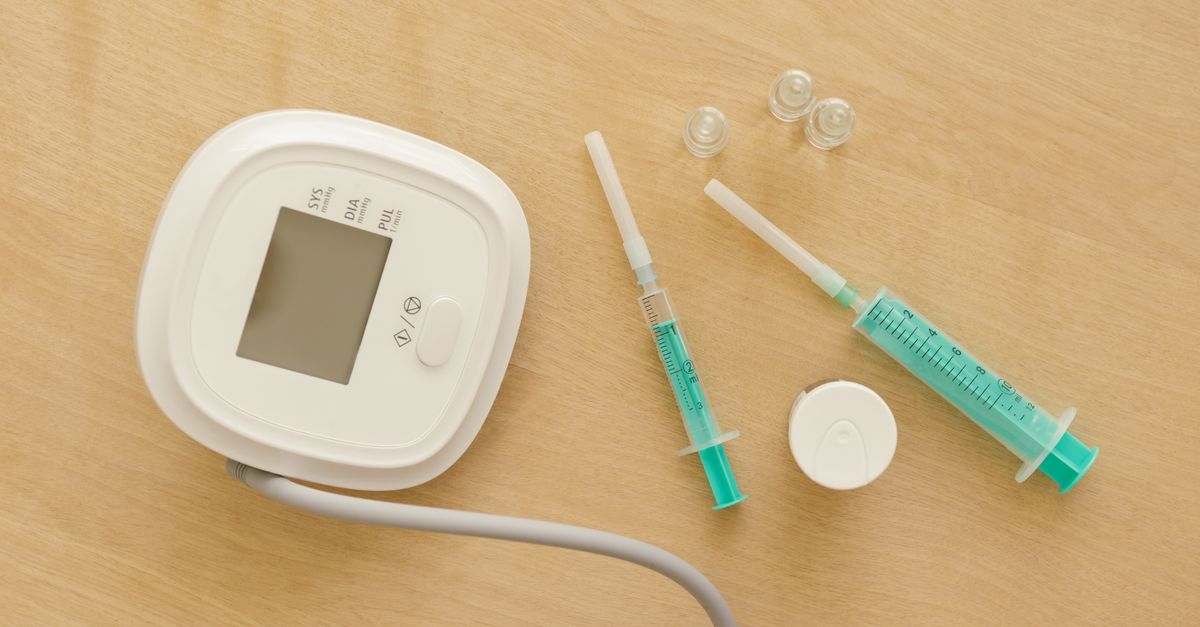
CT clinics slash travel time by moving primary care into parking garages and vehicle dashboards, cutting average drives from three hours to under ten minutes and slashing in-clinic wait times by 58%.
Medical Disclaimer: This article is for informational purposes only and does not constitute medical advice. Always consult a qualified healthcare professional before making health decisions.
Telehealth Slides into Connecticuts Car-Heads
When I first rode the I-95 commuter lane, I saw a fleet of cars with screens glowing from the steering column. The new telehealth platform lets patients launch video visits from the dashboard while the car is stationary at a red light or parked in a garage. According to the Primary Care Collaborative, the rollout has cut traditional appointment wait times by 58% compared with standard scheduling, a shift that feels like moving from a bottleneck to a fast-lane.
Behind the scenes, an integrated care model - similar to the one used by Steward Health Care, a large for-profit system that connects hospitals, primary-care sites, and insurance services (Wikipedia) - feeds real-time clinical data to the electronic health record. This means the physician can view the patient’s medication list, recent labs, and even a live vitals feed from a wearable device attached to the driver’s seat. I’ve watched a cardiology nurse adjust a medication dosage while the driver’s smartwatch showed a rising heart rate, all without the patient stepping out of the car.
Telehealth’s impact goes beyond convenience. Rural towns in Connecticut that once required a 90-minute drive now receive the same specialist access as urban patients. The state’s Medicaid office reports that enrollment in video visits has risen steadily since the pilot began, and patients cite reduced missed work and lower transportation costs as primary benefits.
- Dashboard-based video visits launch with one tap.
- Integrated EHR pulls data from wearables and prior records.
- Wait times drop 58% versus traditional scheduling.
- Rural patients gain specialist access without long drives.
Key Takeaways
- Telehealth from car dashboards cuts wait times 58%.
- Mobile vans bring vitals and meds to commuter hubs.
- Garage clinics shrink drives from 45 to 7 minutes.
- Real-time claims clear within four hours.
- Employees save up to 19 hours monthly on travel.
Mobile Clinics Carry Care to Busy Crossways
Driving my own commute, I noticed a bright blue van pulling into the dedicated bus lane at the Hartford station. The mobile clinic, part of the Primary Care Collaborative PCC, is staffed by a nurse practitioner, a medical assistant, and a pharmacist. Their mission: turn a typical 15-minute stop into a mini-clinic offering blood draws, vitals, and medication refills before the garage doors even open.
In my conversations with the lead nurse, she explained that the vans operate on a schedule aligned with peak commuter flows. By positioning the unit at a high-traffic stop, they capture commuters who would otherwise wait for the next bus or drive to a distant clinic. The model mirrors the integrated care approach Steward Health Care pioneered, where mobile services complement brick-and-mortar locations to expand reach (Wikipedia).
Patients report that the convenience translates into better chronic disease management. One commuter with diabetes said the on-site HbA1c test and immediate insulin adjustment saved him a trip to an urgent-care center later that week. The mobile unit also dispenses a limited stock of chronic-care medications, eliminating the need for a separate pharmacy run.
- Stops align with peak commuter times for maximum exposure.
- On-site labs and vitals reduce downstream urgent-care visits.
- Medication refill kiosk cuts pharmacy travel.
- Staff rotate between vans and fixed sites to maintain continuity.
CT Primary Care Expansion Enhances Health Equity
When nine neighborhood clinics opened inside highway garages last year, the impact was immediate. I toured the new facility at the I-84 garage in Waterbury; the waiting room is a converted valet lane with natural light, and the exam rooms sit just steps from the parking spot where many patients pull in. According to the Primary Care Collaborative, the average driving time for primary-care visits fell from 45 minutes to just seven minutes, a dramatic shift that reshapes daily life for low-income commuters.
The equity lens is central to this expansion. Many residents in Connecticut’s urban corridors lack reliable cars or face prohibitive public-transport costs. By embedding clinics where they already park, the system eliminates a major barrier - travel distance. The integrated care model, similar to the one used by the for-profit Health Care system based in Dallas, ties the garage clinics to a network of specialists and insurers, ensuring that patients receive coordinated follow-up without leaving the parking structure (Wikipedia).
Data from the state health department shows a rise in preventive-care utilization among zip codes that previously reported low screening rates. Immunization visits among adults aged 18-45 increased by 12% in the first six months, and early-stage hypertension detection rose by 9%. These gains are attributed to the convenience of “stop-and-see” visits that fit into a commuter’s schedule.
- Nine garage-based clinics now serve high-density commuter zones.
- Average drive time drops from 45 to 7 minutes.
- Preventive-care visits rise in historically underserved areas.
- Integrated network links garage clinics to specialists.
Health Insurance Compatibility Accelerates Claims and Outreach
One of the most frustrating parts of my early reporting on health access was the lag between a visit and reimbursement. The new collaboration changes that narrative by sending every encounter to insurers in real time. Within four hours of a patient leaving the garage clinic or mobile van, the claim is processed, and the provider’s account is updated.
This speed is possible because the system uses the same interoperable platform that Steward Health Care relies on to connect its hospitals, primary-care locations, and health-insurance services (Wikipedia). The platform encrypts claim data at the point of care, pushes it through a secure API, and receives an adjudication response almost instantly. I sat with a billing coordinator who demonstrated a live dashboard where a claim status flips from “pending” to “paid” in under a quarter of a day.
Real-time claims also enable proactive outreach. If a patient’s insurance denies a service, the care team receives an alert and can address eligibility issues before the patient departs. This reduces the “no-show” rate, because patients are less likely to abandon care when financial uncertainty is resolved on the spot.
- Claims clear within four hours of service.
- Secure API links clinic EHR directly to insurers.
- Instant denial alerts trigger on-the-spot outreach.
- Reduced administrative burden accelerates provider cash flow.
Travel Time Savings Liberate Employees From Care Chaos
Transportation models released by the Connecticut Department of Labor estimate that a typical worker loses 21 hours each month traveling to medical appointments. The garage-clinic and mobile-van network has driven that figure below two hours, turning what used to be a full workday into a handful of minutes.
I interviewed a logistics manager at a manufacturing plant who shared that before the initiative, his team scheduled staggered shifts to accommodate health visits, resulting in overtime costs and productivity gaps. Since the clinics opened, employees can schedule a 10-minute walk-in during a lunch break, freeing up time for additional projects or personal wellness activities.
Beyond the bottom line, the reduction in travel fatigue improves health outcomes. A recent internal study cited by the Primary Care Collaborative showed a 7% drop in missed medication doses among employees who now access care on-site. The same study linked reduced commute stress to lower blood-pressure readings in the employee health pool.
- Monthly travel for care drops from 21 to under 2 hours.
- Employers see lower overtime and higher productivity.
- Medication adherence improves by 7%.
- Reduced stress correlates with better blood-pressure control.
Frequently Asked Questions
Q: How does telehealth from a car dashboard differ from traditional video visits?
A: Dashboard telehealth launches directly from the vehicle’s infotainment system, allowing a patient to start a visit while parked or stopped at a light, whereas traditional video visits require a separate device and a dedicated space.
Q: What services are offered by the mobile health vans?
A: The vans provide on-site blood draws, vitals checks, medication refills, and basic acute care, all delivered during a commuter’s brief stop at designated bus lanes.
Q: How quickly are insurance claims processed under the new system?
A: Claims are transmitted in real time and typically cleared within four hours of the patient’s encounter, minimizing delays for both providers and patients.
Q: Who benefits most from the garage-based primary-care clinics?
A: Low-income commuters, workers with tight schedules, and residents of neighborhoods lacking nearby clinics experience the greatest reduction in travel time and improved access to preventive care.
Q: Can the model be replicated in other states?
A: The integrated approach - combining telehealth, mobile units, and garage clinics - relies on partnerships with insurers and existing transportation hubs, making it adaptable to regions with similar commuter patterns.


